LED wall or projector for a home theater?
Brightness, contrast, ambient light and long-term cost compared.
Brightness and ambient light
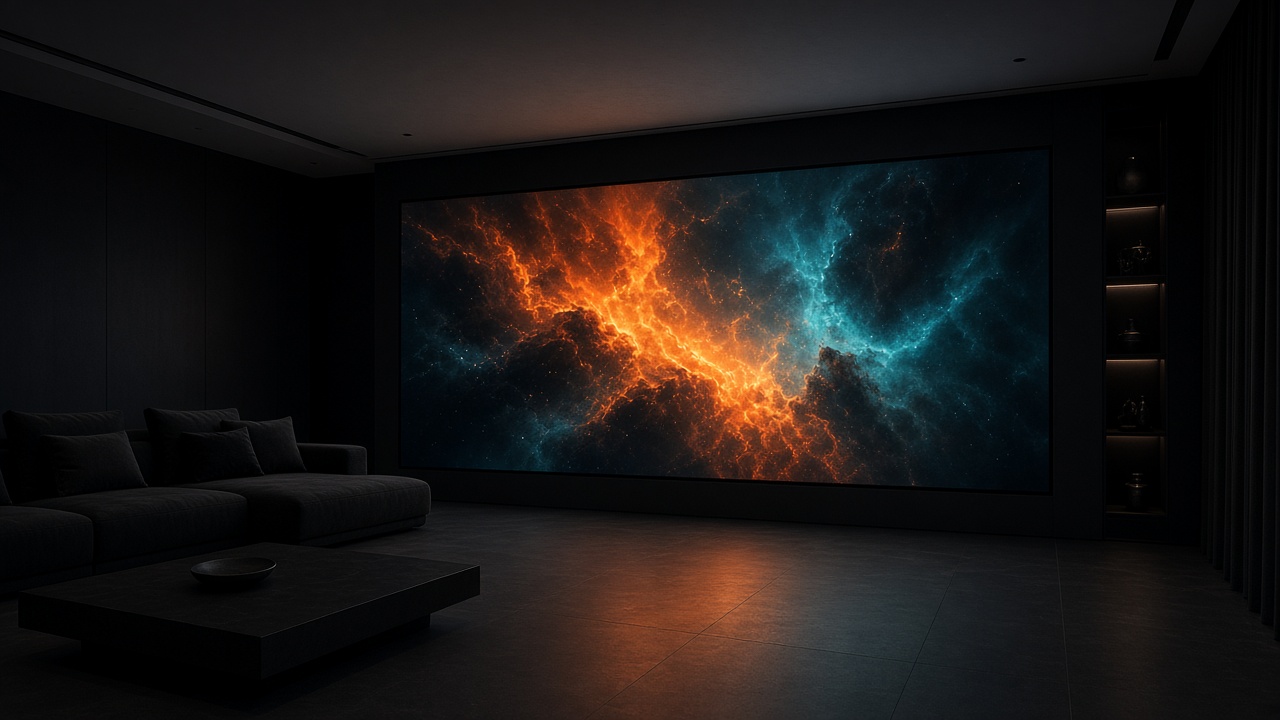
A typical home projector delivers the equivalent of 100–200 nits on screen and needs a dark room. A fine-pitch LED wall produces 500–800 nits that can be dimmed, so the image stays punchy with the lights on or the curtains open.
Contrast and black level
LED pixels switch off completely, and black-face COB surfaces reach contrast ratios above 10,000:1. A projector can only be as dark as the screen material in the room light, so blacks turn grey as soon as there is spill light.
Size without compromise
LED walls are modular: 135″, 163″ or 200″+ are simply more cabinets, in 16:9 or 21:9. All-in-one LED displays arrive pre-built in fixed sizes, while cinema walls are assembled on site to fit the room.
Long-term cost
Projectors need lamp or laser-engine service and periodic screen replacement. LED panels are rated around 100,000 hours to half brightness and are serviced module by module. The initial investment is higher, but the cost per viewing hour is competitive over a decade.
Our recommendation
For dedicated dark theaters on a tight budget, a projector is still valid. For living rooms, media rooms and any space used in daylight, a 0.9–1.25 mm LED wall or an all-in-one LED display is the better long-term choice.
Next steps
Use the instant pricing tool for an example budget or ask Taylor for a formal proposal for your space.
Related products
 Product image · reference
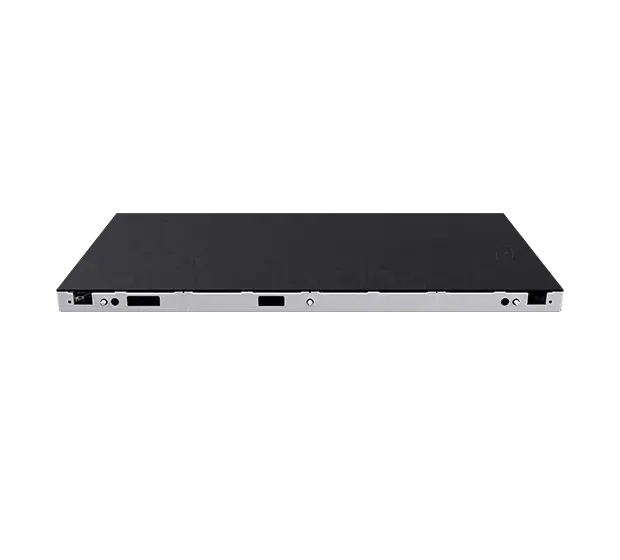
DM Cinema Series
Cinema-tuned COB P0.9 / P1.25 with HDR10 and 23.98 Hz support.
Configure →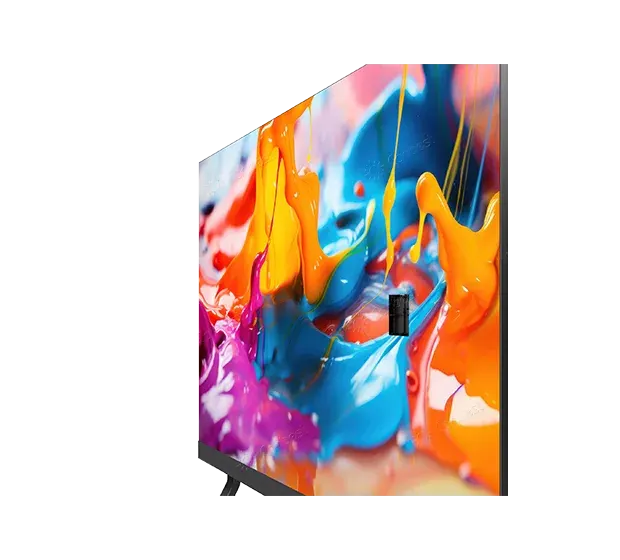 Product image · reference
CTV PRO Series
108″–163″ with touch, Android 13 and a 4K camera.
Configure →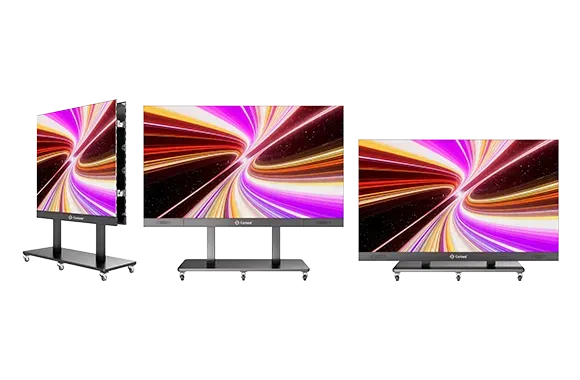 Product image · reference
UTV FOLD Series
Motorized stand with 50 cm lift; elevator-friendly fold.
Configure →